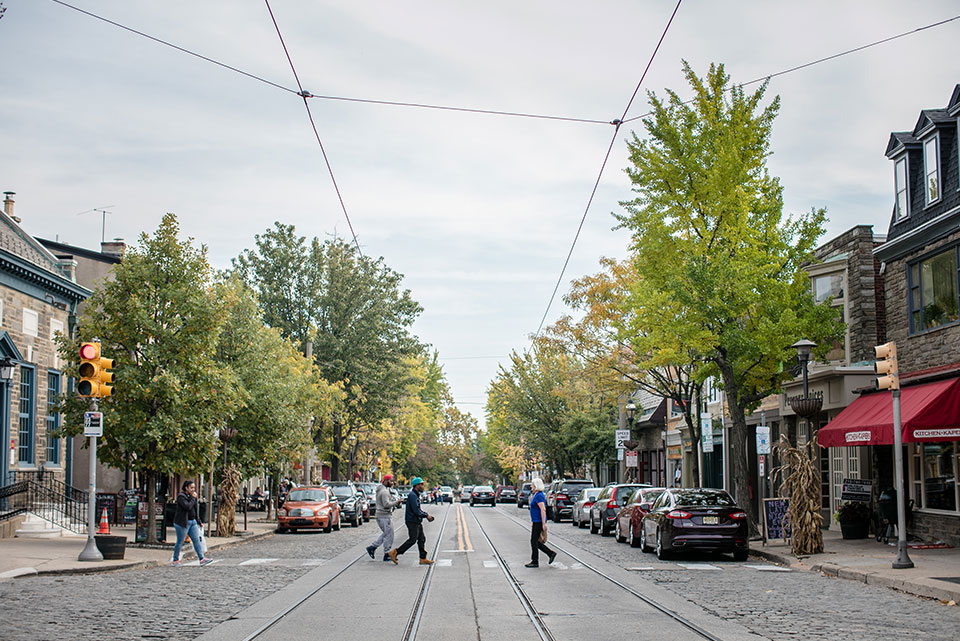
If you ask Philadelphians where the city starts to feel like the suburbs, one name comes up over and over again: Chestnut Hill.
Tucked into the Northwest section of Philadelphia, Chestnut Hill offers a unique blend of historic charm, green space, and small-town walkability—while technically still being part of the city. But what’s it really like to live there day to day?
Here’s a real-world look at what locals love, what they tolerate, and what buyers should know before making the move.
The Village Feel — Without Leaving Philadelphia

4
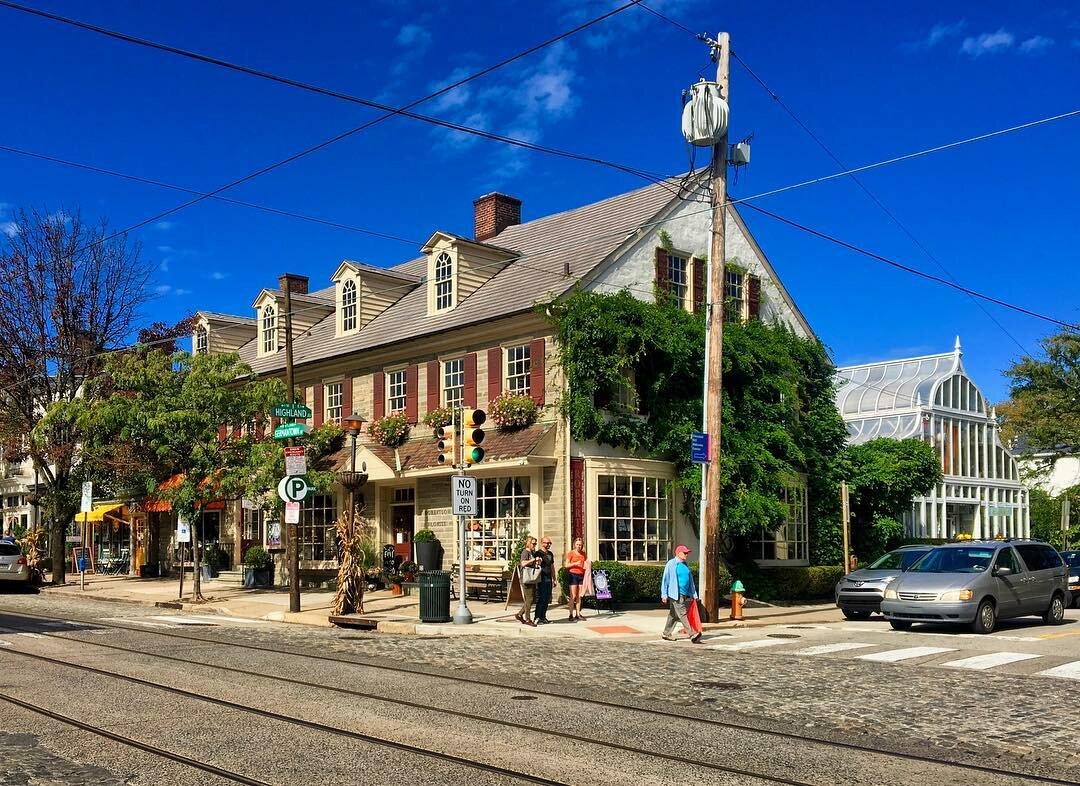
The first thing locals mention is the “village in the city” atmosphere.
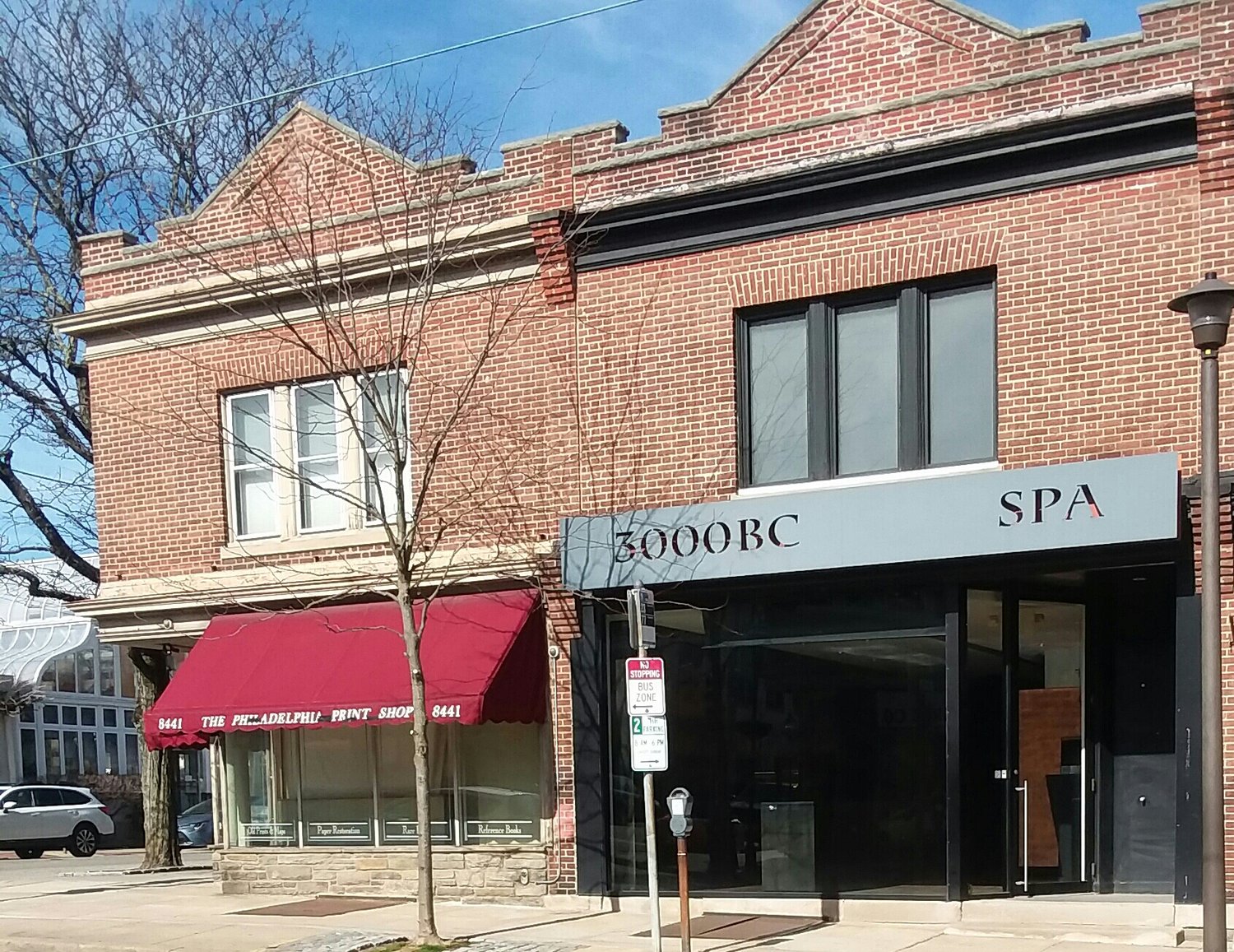
Germantown Avenue is the heart of Chestnut Hill—lined with boutiques, bakeries, cafés, and locally owned shops. Unlike Center City’s fast pace, life here moves slower. Residents walk to dinner, chat with shop owners, and run errands on foot.
Local sentiment:
Many residents say they rarely need to leave the neighborhood for day-to-day living. It feels self-contained—almost like a small town carved into Philadelphia.
Green Space Is a Major Lifestyle Upgrade

4
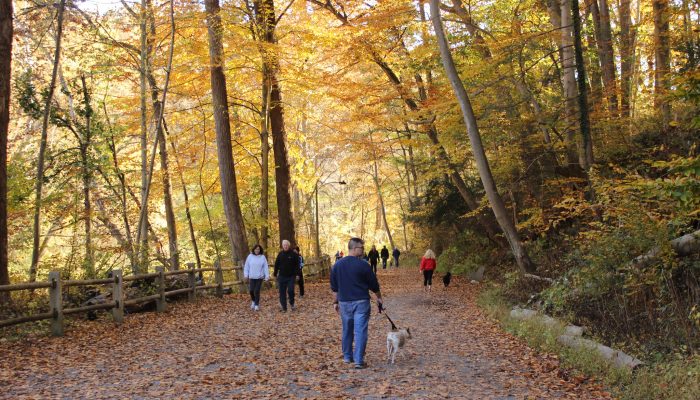
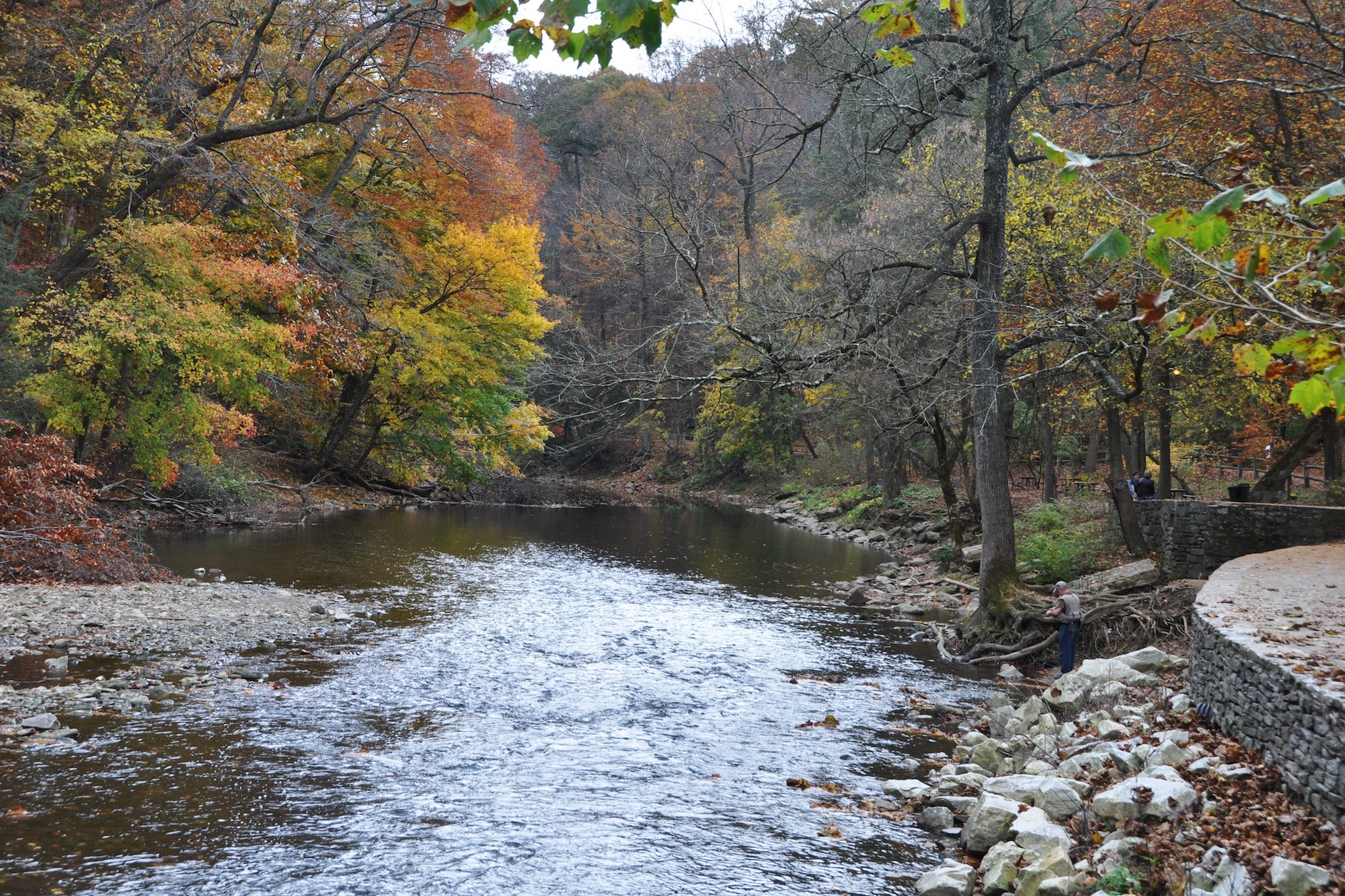
Access to nature is one of Chestnut Hill’s biggest selling points.
Locals rave about being minutes from Wissahickon Valley Park, where you’ll find miles of trails, biking paths, and the iconic Forbidden Drive.
Why residents love it:
- Morning hikes before work
- Trail running and cycling
- Dog walking along the creek
- Fall foliage that rivals the suburbs
For buyers relocating from Center City or South Philly, this level of green space feels like a lifestyle upgrade—not just a location change.
Housing: Historic, Charming… and Pricey
4
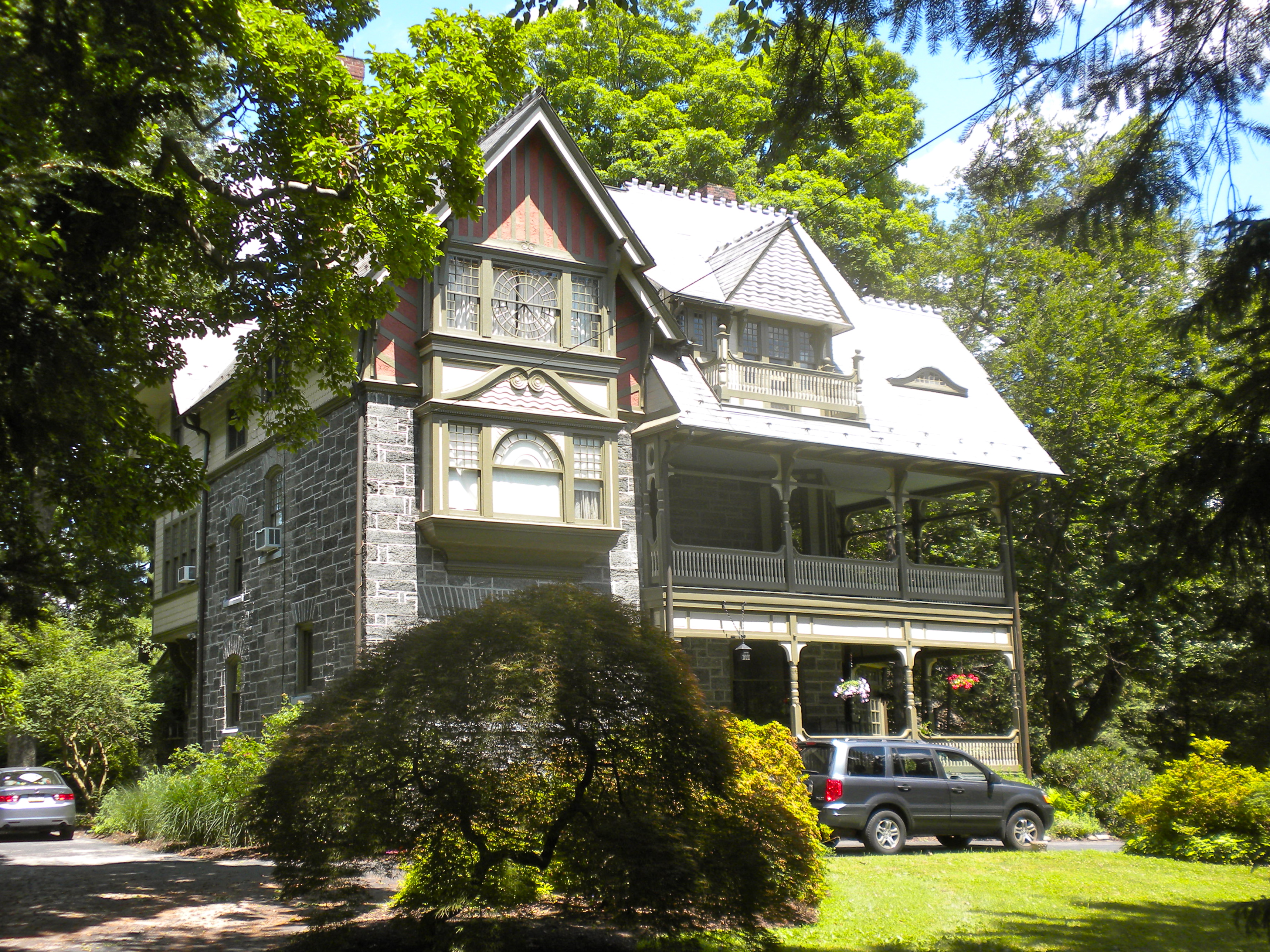
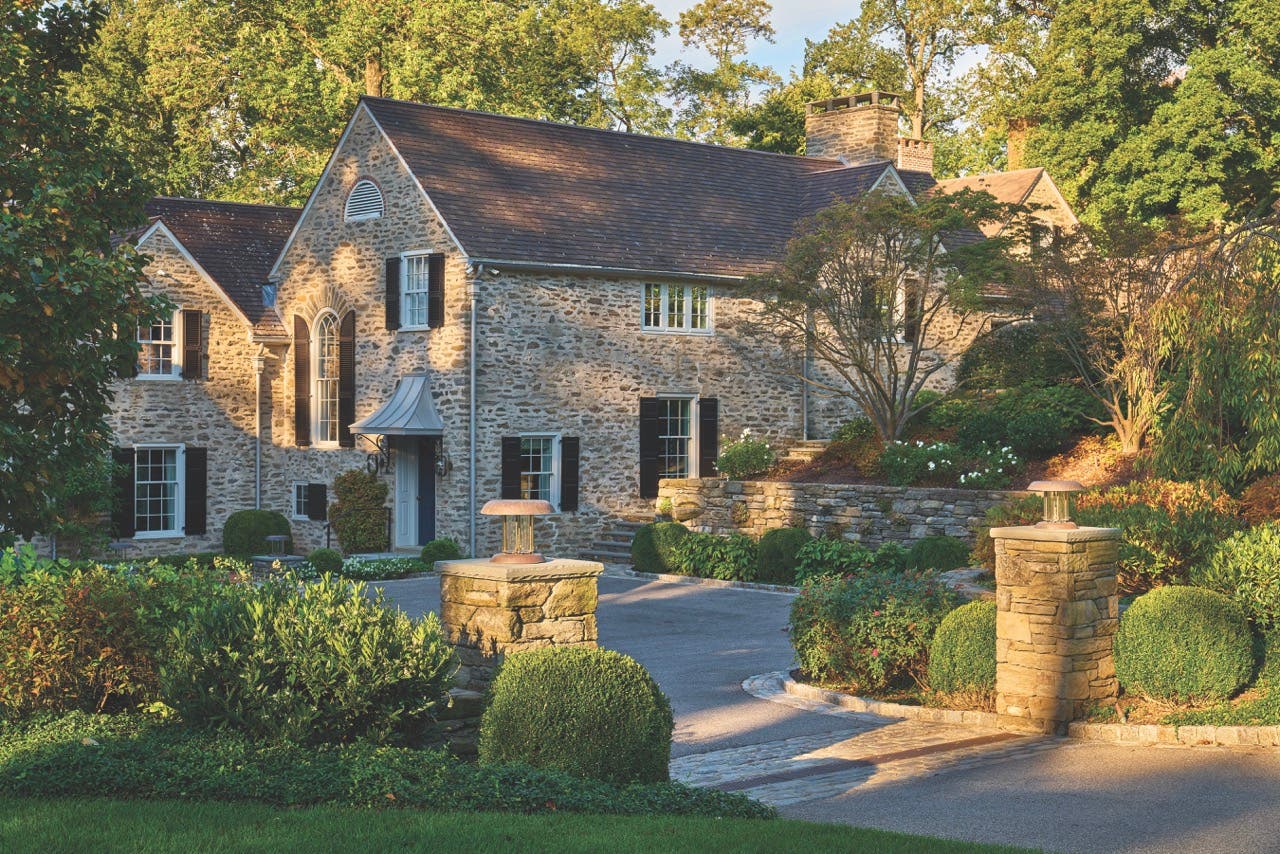
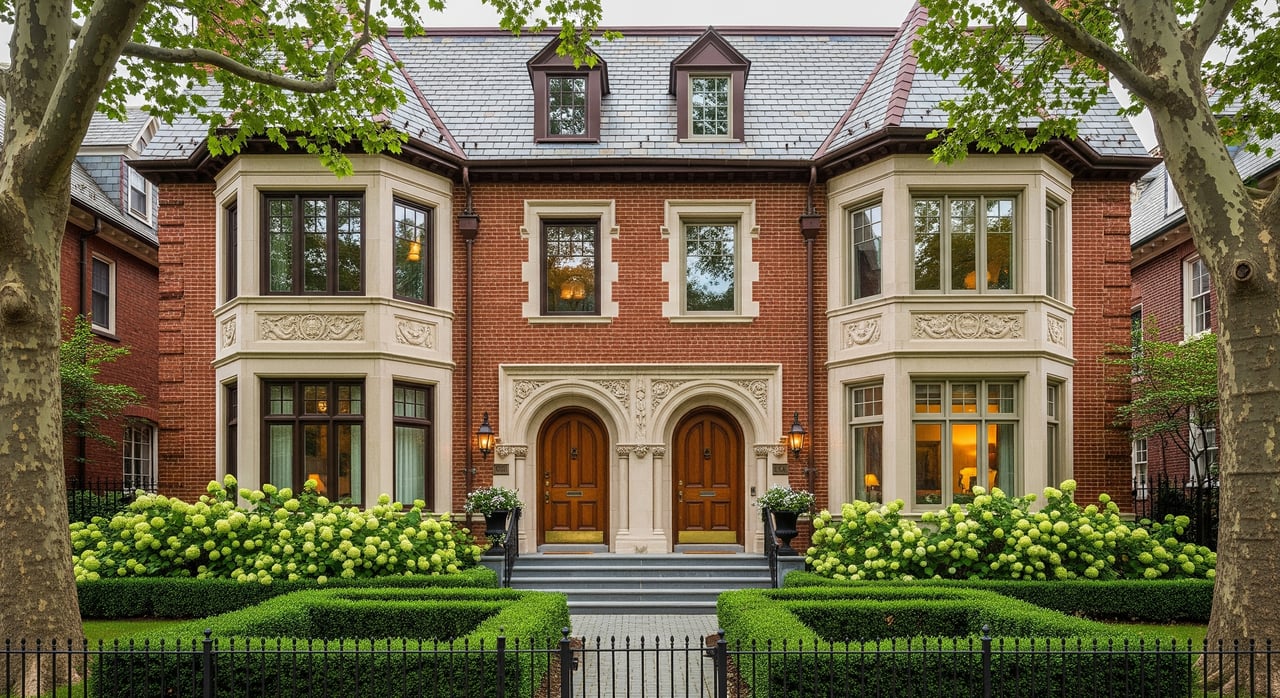
Chestnut Hill’s housing stock is one of its biggest draws—and barriers.
You’ll find:
- Stone colonials
- Victorian twins
- Carriage homes
- Luxury estates
- Converted historic properties
What locals say about pricing:
- Home values are higher than most of Northwest Philly
- Property taxes can surprise city buyers
- Inventory is limited, especially walkable to Germantown Ave
In short: You’re paying for charm, history, and location.
But many homeowners feel the long-term value holds strong because demand rarely dips.
Commuting: Manageable but Not Instant
Chestnut Hill offers access to two Regional Rail lines:
- Chestnut Hill East
- Chestnut Hill West
Commute times to Center City typically range 35–45 minutes depending on the line and schedule.
Local perspective:
- Great for hybrid or remote workers
- Less ideal for daily 9–5 commuters needing speed
- Driving is scenic but slower during peak hours
Still, many residents accept the longer commute in exchange for the neighborhood lifestyle.
Schools & Community Vibe
Families are drawn to Chestnut Hill for both public and private school options nearby, plus a strong sense of community.
Locals often mention:
- Neighborhood events & festivals
- Farmers markets
- Holiday strolls
- Community associations
There’s a civic pride here that feels different from many other city neighborhoods.
Dining & Small Business Culture
Residents consistently praise the food scene—not for volume, but for quality.
Think:
- Cozy BYOB restaurants
- Artisan bakeries
- Farm-to-table cafés
- Wine bars and brunch spots
It’s more “weekend stroll and dine” than “late-night nightlife.”
If you want clubs and rooftop bars, you’ll still head to Center City.
The Trade-Offs Locals Mention
No neighborhood is perfect. Here’s what residents say isn’t ideal:
1. Cost of Entry
Home prices and rents sit above many Philly neighborhoods.
2. Limited Inventory
Buyers often compete for well-located homes.
3. Commute Time
Not the fastest ride into Center City.
4. Quiet Nightlife
Great for peace—not for party seekers.
Who Chestnut Hill Is Best For
Based on local feedback, the neighborhood fits best for:
- Move-up buyers leaving Center City
- Families wanting space + greenery
- Professionals working hybrid schedules
- Buyers relocating from the suburbs who still want city limits
- Historic home lovers
It’s less ideal for:
- First-time buyers on tight budgets
- Nightlife-focused residents
- Daily express commuters
Final Verdict: What Locals Really Think
Ask around, and you’ll hear a consistent theme:
People who move to Chestnut Hill rarely want to leave.
The combination of nature, architecture, walkability, and community creates a lifestyle that feels removed from the chaos of the city—without giving up Philadelphia access entirely.
Yes, you’ll pay more.
Yes, the commute is longer.
But for many residents, the trade-off is more than worth it.

 Your Philly Living: The Inside Edge
Leave a comment