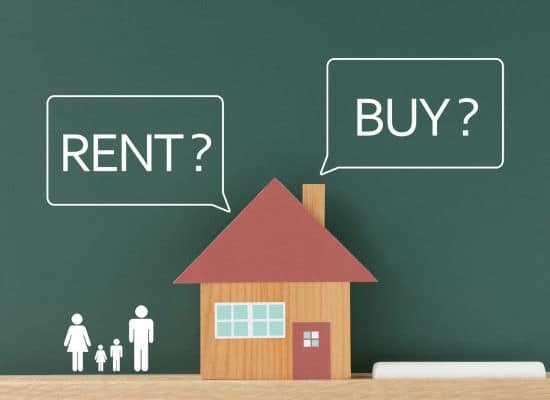
If you’re planning a move in 2026, you’re probably asking the same question most households are right now:
Is it smarter to keep renting—or finally buy?
With interest rates still fluctuating, home prices holding in many markets, and rents continuing to rise, the decision isn’t as straightforward as it was a few years ago.
Here’s a real-world breakdown to help you decide what makes the most financial and lifestyle sense this year.
The 2026 Housing Landscape (Quick Snapshot)
Before choosing, you have to understand the environment:
- Mortgage rates remain higher than the 2020–2021 era
- Home prices have stabilized but haven’t dropped significantly
- Inventory is still tight in many commuter markets
- Rents continue climbing—especially in metro areas
Translation: Both renting and buying come with trade-offs in 2026.
Renting in 2026: Pros & Cons
✅ Why Renting Still Makes Sense
1. Flexibility
If your job, income, or family size may change soon, renting keeps you mobile. No selling, no closing costs, no long-term commitment.
2. Lower Upfront Costs
Typical renter move-in costs:
- First month’s rent
- Security deposit
- Application fees
Compare that to buying, where closing costs alone can run 2–5% of the purchase price.
3. Maintenance-Free Living
Roof leaks? HVAC breaks? Appliance dies?
That’s the landlord’s problem—not yours.
4. Easier Budgeting
Fixed rent payments mean fewer surprise expenses.
❌ Downsides of Renting
1. No Equity Building
Monthly rent = 100% expense.
You’re paying for housing—but not ownership.
2. Rent Increases
Many tenants are seeing annual rent hikes of 3–8% depending on market demand.
3. Limited Control
You can’t:
- Renovate freely
- Build long-term stability
- Lock in housing costs
Buying in 2026: Pros & Cons
✅ Why Buying Still Wins Long-Term
1. Equity Growth
Every mortgage payment builds ownership.
Over time, that becomes:
- Borrowing power
- Down payment for the next home
- Wealth transfer asset
2. Payment Stability
With a fixed-rate mortgage, your principal and interest stay predictable—unlike rent.
3. Appreciation Potential
Even with slower growth, real estate historically trends upward over time.
4. Tax Advantages
Homeowners may benefit from:
- Mortgage interest deductions
- Property tax deductions
(Check with a tax professional.)
❌ Challenges of Buying in 2026
1. Higher Monthly Payments (Short-Term)
Rates above pandemic lows mean higher mortgage payments compared to 2021 buyers.
2. Upfront Costs
Expect to budget for:
- Down payment (3–20%)
- Closing costs
- Inspections
- Appraisals
3. Maintenance Responsibility
You own the repairs:
- Roof
- Plumbing
- Heating systems
- Structural issues
Budget 1–3% of home value annually for upkeep.
Monthly Cost Comparison Example (2026)
Here’s a simplified scenario:
| Expense | Renting | Buying |
|---|---|---|
| Monthly Payment | $2,000 | $2,400 |
| Equity Built | $0 | ~$400/mo |
| Tax Benefits | No | Yes |
| Maintenance | Included | Owner pays |
While buying costs more monthly, part of that payment comes back to you through equity.
Lifestyle Factors Matter Too
This isn’t just math—it’s lifestyle.
Renting May Be Better If You:
- Plan to move within 2–3 years
- Are rebuilding credit or savings
- Prefer low responsibility
- Have unstable income
Buying May Be Better If You:
- Plan to stay 5+ years
- Want payment stability
- Need more space
- Want long-term wealth building
The Break-Even Rule
A common real estate benchmark:
If you’ll stay in the home at least 5 years, buying usually makes financial sense.
Why?
Because it takes time to offset:
- Closing costs
- Interest-heavy early payments
- Market fluctuations
Short stays favor renting. Long stays favor buying.
2026 Buyer Reality Check
Here’s the honest conversation happening right now:
Many renters are waiting for:
- Rates to drop
- Prices to fall
- Inventory to rise
But here’s the risk:
If rates drop, demand surges → prices often rise.
Some buyers are choosing to:
- Buy now
- Refinance later
Instead of competing in a future bidding-war market.
Local Market Insight (Philadelphia & Suburbs)
In markets like Philadelphia, Delco, and the surrounding suburbs:
- Entry-level inventory is tight
- Rents are rising steadily
- First-time buyer grants still exist
- Transit-access homes hold value well
That’s keeping many renters on the fence—but also pushing others to buy sooner.
Final Verdict: Which Makes More Sense?
There’s no universal answer—but here’s the clearest guidance:
Rent if you need flexibility.
Buy if you’re ready for stability and long-term wealth.
2026 isn’t the cheapest time to buy—but it’s also not getting dramatically cheaper in most Northeast markets.
The real question isn’t just cost—it’s timeline, lifestyle, and financial readiness.

 Your Philly Living: The Inside Edge
Leave a comment