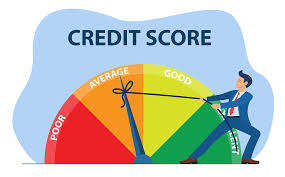
If you’re planning to buy a home, your credit score is one of the most powerful numbers in your financial life.
It impacts:
- Whether you get approved
- Your interest rate
- Your monthly payment
- Your loan options
- Your required down payment
In 2026’s lending environment—where rates are still sensitive—improving your credit score even 20–40 points can save you thousands over the life of your loan.
Here’s how to position your credit the right way before applying for a mortgage.
Why Your Credit Score Matters So Much
Mortgage lenders use your score to measure risk.
Higher score = Lower risk = Better terms.
Here’s a simplified look:
| Credit Score | Loan Impact |
|---|---|
| 760+ | Best rates & terms |
| 700–759 | Strong approval odds |
| 640–699 | Average financing options |
| 580–639 | FHA eligibility range |
| Below 580 | Limited loan access |
Even a small bump can improve your buying power significantly.
1. Pay Every Bill On Time — No Exceptions
Payment history makes up the largest portion of your credit score.
Late payments can drop your score fast—and stay on your report for years.
Pro tips:
- Set auto-pay on minimum payments
- Use calendar reminders
- Pay at least 5 days before due dates
Consistency matters more than anything else.
2. Lower Your Credit Card Balances
This is one of the fastest ways to boost your score.
Lenders look at your credit utilization ratio—how much of your available credit you’re using.
Ideal utilization: Under 30%
Best scoring range: Under 10%
Example:
- $10,000 credit limit
- Keep balances under $3,000 (ideally $1,000)
Paying cards down—not off accounts—can create quick score gains.
3. Don’t Open New Accounts Before Applying
Every time you open a new credit line, lenders see added risk.
Avoid:
- Store cards
- New credit cards
- Personal loans
- Financing furniture or appliances
Mortgage lenders prefer stability 6–12 months before approval.
4. Avoid Large Purchases
Even if you qualify initially, new debt can derail final approval.
Hold off on:
- Cars
- Furniture
- Large electronics
- Personal loans
Your debt-to-income ratio matters just as much as your score.
5. Keep Old Accounts Open
Length of credit history impacts scoring.
Closing old cards can:
- Shorten your credit age
- Increase utilization ratios
- Drop your score
If cards have no annual fee, keep them open—even with small activity.
6. Check Your Credit Reports for Errors
Mistakes happen more often than people realize.
Look for:
- Incorrect late payments
- Accounts that aren’t yours
- Paid collections still reporting
- Balance inaccuracies
Disputing errors can lead to quick score improvements.
You’re entitled to free reports annually from all three bureaus.
7. Become an Authorized User
If you have a trusted family member with strong credit, being added as an authorized user can help.
Benefits include:
- Longer credit history
- Positive payment reporting
- Lower utilization impact
This works best when the primary account is well-managed.
8. Pay Collections Strategically
Not all collections impact mortgage approval equally.
Some lenders require:
- Paid collections
- Payment plans
- Deletion letters
Before paying anything, consult your lender—strategy matters here.
9. Build Credit If You’re Starting From Scratch
If your file is thin, you may need to establish credit first.
Starter tools include:
- Secured credit cards
- Credit-builder loans
- Reporting rent payments
- Small installment accounts
The goal is to show consistent, on-time payment behavior.
10. Time Your Mortgage Application Right
Credit prep isn’t overnight—it’s a 3–6 month strategy.
Best practice timeline:
6 months out:
- Pay balances down
- Dispute errors
- Avoid new accounts
3 months out:
- Keep utilization low
- Maintain on-time payments
- Avoid major purchases
30 days out:
- Don’t move money
- Don’t open or close accounts
- Don’t change employment if possible
Score Improvement Impact Example
Here’s how credit affects buying power:
| Score | Estimated Rate | Payment on $350K Loan |
|---|---|---|
| 620 | Higher rate | Higher payment |
| 680 | Mid-range | Moderate savings |
| 740+ | Best rates | Significant savings |
A 60–100 point increase can save hundreds monthly—and tens of thousands long-term.
Common Credit Mistakes Homebuyers Make
Avoid these pre-approval killers:
- Co-signing loans
- Missing small payments
- Maxing cards during home search
- Financing furniture before closing
- Job hopping mid-process
Mortgage approval is a financial snapshot—stability wins.
Final Thoughts
Improving your credit score isn’t just about loan approval—it’s about affordability.
Better credit can mean:
- Lower monthly payments
- Lower cash to close
- More loan options
- Stronger negotiating power
In a market where rates still matter, credit preparation is one of the most powerful moves buyers can make before house hunting.

 Your Philly Living: The Inside Edge
Leave a comment