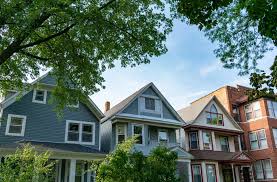
For many homebuyers and investors, gentrifying neighborhoods sit at the intersection of opportunity and uncertainty.
You’ll often hear them described as “up-and-coming,” “revitalizing,” or “next to pop.” Translation: prices are rising, development is happening, and demand is shifting.
But buying in these areas isn’t just about getting in early—it requires understanding both the upside and the risks.
Here’s a real-world breakdown of the pros and cons of buying in a gentrifying neighborhood in 2026.
What Is a Gentrifying Neighborhood?
A gentrifying neighborhood is an area experiencing reinvestment and demographic change.
Common signs include:
- New construction and renovations
- Rising home prices
- New restaurants, cafés, and retail
- Infrastructure improvements
- Increased investor activity
- Higher-income residents moving in
These areas are often located near city centers, transit hubs, or employment corridors.
The Pros of Buying in a Gentrifying Area
1. Appreciation Potential
This is the biggest draw.
Buying early in a transitioning neighborhood can mean significant equity growth as demand rises.
Why values increase:
- Renovated housing stock
- Improved amenities
- Increased buyer interest
- Limited inventory
Early buyers often see the strongest long-term gains.
2. Lower Entry Prices (Initially)
Compared to fully established neighborhoods, gentrifying areas typically offer:
- Lower purchase prices
- More square footage per dollar
- Opportunities for first-time buyers
This can make homeownership accessible in otherwise unaffordable cities.
3. Investment & Rental Opportunities
These areas attract investors because of:
- Rising rents
- Strong tenant demand
- Appreciation + cash flow potential
Buy-and-hold strategies often perform well if revitalization continues.
4. New Businesses & Lifestyle Growth
As neighborhoods evolve, so do amenities:
- Coffee shops
- Restaurants
- Fitness studios
- Grocery stores
- Co-working spaces
Lifestyle convenience tends to improve over time.
5. Infrastructure & Development Improvements
Public and private investment often follows gentrification:
- Streetscape improvements
- Transit upgrades
- School investments
- Park renovations
These upgrades further drive property values.
The Cons of Buying in a Gentrifying Area
1. Uncertainty of Growth
Not every “up-and-coming” area fully arrives.
Risks include:
- Stalled development
- Economic slowdowns
- Investor pullback
- Policy or zoning changes
Timing matters. Buying too early can mean slower appreciation.
2. Property Condition Challenges
Many homes in transitioning areas need work.
Buyers may face:
- Renovation costs
- Outdated systems
- Inspection issues
- Financing hurdles (especially FHA/VA)
Budgeting for repairs is critical.
3. Tax & Cost Increases
As values rise, so do:
- Property taxes
- Insurance premiums
- Cost of living
Long-term affordability can shift as neighborhoods redevelop.
4. Community & Cultural Tensions
Gentrification can create friction between:
- Longtime residents
- New homeowners
- Developers
- Local businesses
Buyers should be mindful of community dynamics and neighborhood history.
5. Construction & Disruption
Revitalization often means ongoing development.
Expect:
- Noise
- Traffic detours
- Parking challenges
- Construction timelines
Short-term inconvenience comes with long-term growth.
Who Buying in a Gentrifying Area Is Best For
This strategy works best for:
Homebuyers who:
- Plan to stay 5–10 years
- Are comfortable with neighborhood change
- Want appreciation upside
- Can handle cosmetic or structural updates
Investors who:
- Have renovation capital
- Understand rental demand
- Can hold through market cycles
Key Questions to Ask Before Buying
If you’re considering a gentrifying neighborhood, research deeply:
- Are major developers investing nearby?
- Are home prices rising year-over-year?
- Are new businesses opening?
- Is transit access improving?
- What’s the rental demand?
Patterns—not hype—predict growth.
2026 Market Insight
In many metro markets, buyers priced out of core neighborhoods are moving into adjacent areas.
This ripple effect drives:
- Price growth
- Renovation activity
- Investor interest
- Retail expansion
Transit corridors and walkable districts tend to gentrify fastest.
Final Thoughts
Buying in a gentrifying neighborhood can be one of the most powerful wealth-building moves in real estate—but only if approached strategically.
Pros:
- Appreciation upside
- Lower entry prices
- Investment potential
- Lifestyle growth
Cons:
- Market uncertainty
- Renovation risk
- Rising taxes
- Community transition
The key is balancing vision with due diligence.
Buyers who research trends—not just prices—position themselves to benefit the most from neighborhood transformation.

 Your Philly Living: The Inside Edge
Leave a comment